10 Best Museums in Florence, Italy

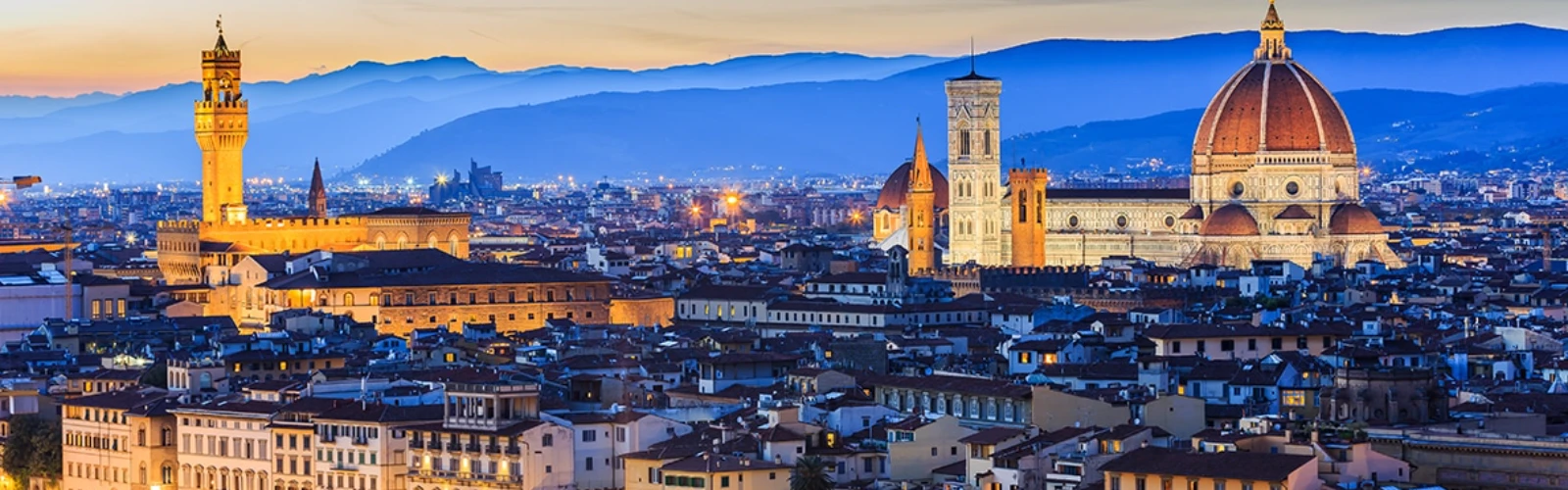
Some cities truly feel like open-air museums, and Florence is a perfect example. By simply walking through Italy’s greatest Renaissance city, you will find an unmatched collection of public art and architecture, worthy of any Botticelli masterpiece.
In addition to the grand buildings and sculptures, Florence also offers a mix of unexpected sights amidst its busy crowds. But when the constant display of monuments, statues, and sculptures—found in nearly every piazza, bridge, and street corner in the historic center—becomes overwhelming, it helps to step inside for a break. Museums in Florence offer that peaceful space for reflection.
This guide covers some of the top museums in Florence that you must visit for a wonderful experience.
Uffizi Gallery
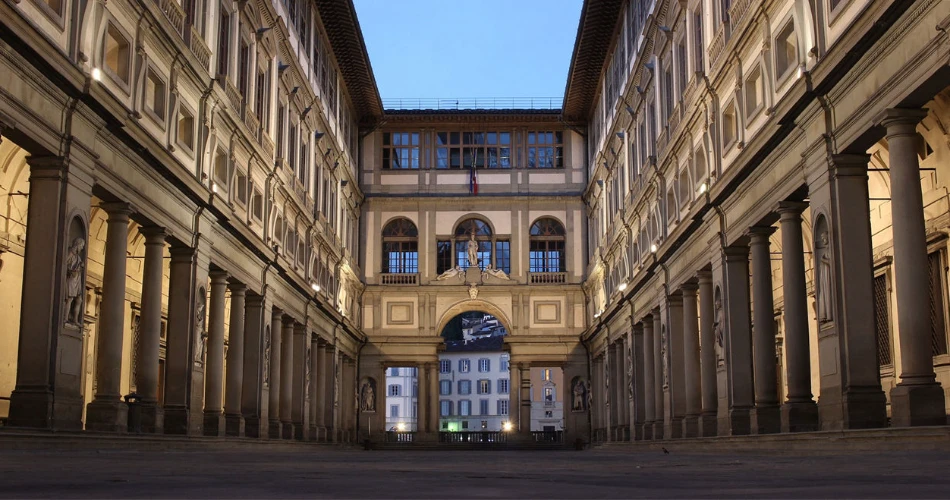
Found inside a remarkable 16th-century building, the Uffizi Gallery is one of the best Florence attractions and also one of the world’s most famous art museums. It is popular for its masterpieces from the Renaissance, which feature works by Leonardo da Vinci, Michelangelo, Raffaello, and Botticelli. The collection includes paintings from the 1200s to the 1600s, along with an important selection of Roman statues and ancient Greek sculptures. It is advised to plan at least two hours, as this museum is large and can take hours to explore. Booking tickets in advance is highly recommended, especially during the summer.
Address: Piazzale degli Uffizi, 6, 50122 Firenze FI, Italy
La Specola
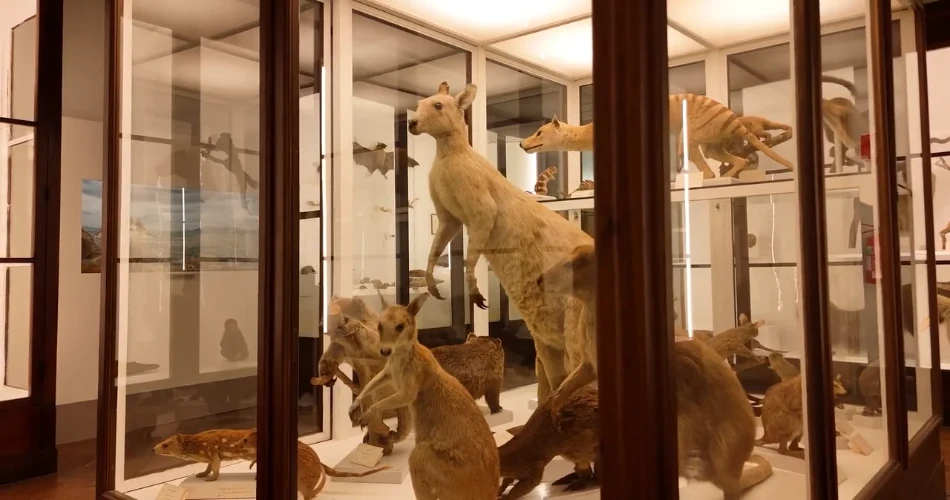
La Specola offers one of Florence’s most unusual museum experiences, known for its detailed wax models of human organs and body parts—some beautiful, others unsettling. These waxworks, created in the 18th and 19th centuries from beeswax tinted with amber and gold powder, were used to teach medical students. The collection provides a fascinating look at how art and science intertwined in earlier centuries.
Address: Via Romana, 17, 50125 Firenze FI, Italy
Museo Villoresi
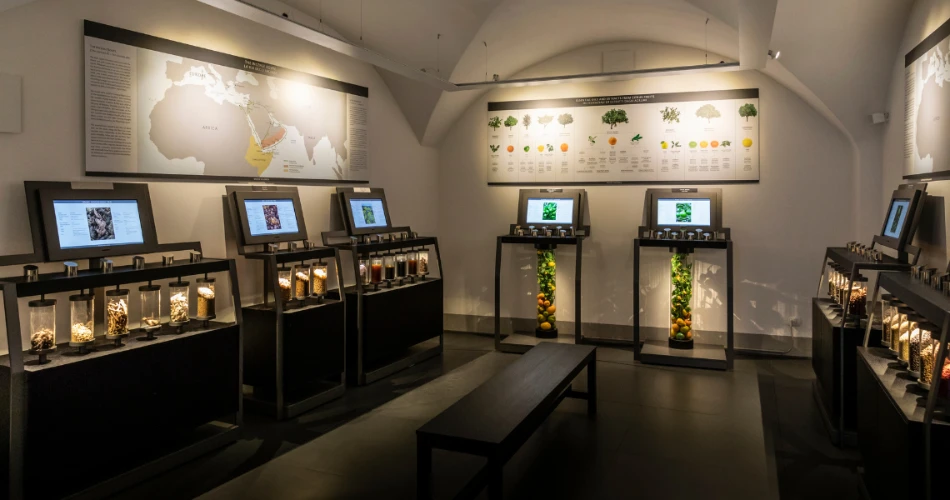
The Museo Villoresi adds a unique sensory dimension to any museum day. It explores the world of artisanal perfumery through digital displays, scent stations, short films, and an aromatic library. Small group tours (book online ahead of time) end in a beautifully scented terrace garden filled with about 80 fragrant plants, trees, and herbs, including lemons, bergamot, yuzu, jasmine, roses, frangipani, olive, cypress, and iris. The museum sits inside the 15th-century family palazzo of Lorenzo Villoresi, a respected Florentine perfumer known for fragrances inspired by the Tuscan landscape.
Address: Via de' Bardi, 12, 50125 Firenze FI, Italy
Museo degli Innocenti
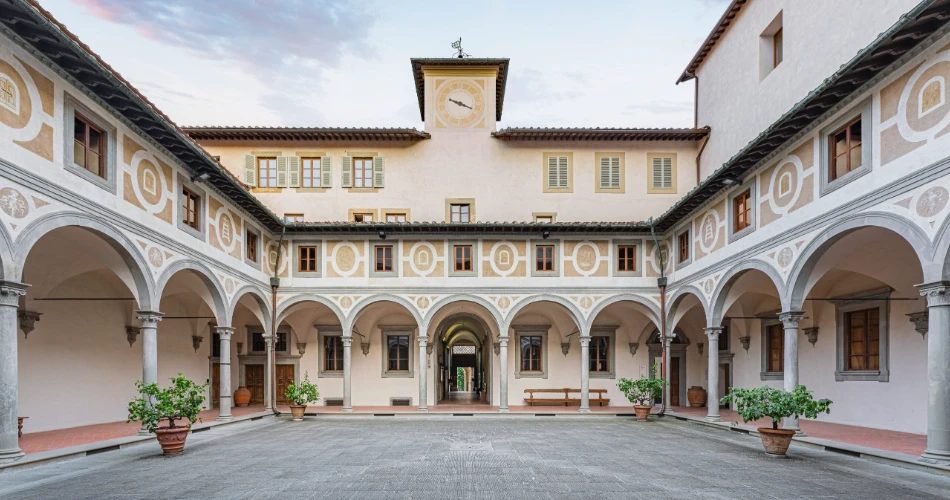
The exterior of the Museo degli Innocenti immediately stands out with its sky-blue terracotta medallions of swaddled babies. Designed by Brunelleschi in 1421, it is considered Florence’s first Renaissance building. Inside, modern exhibits tell the story of the Ospedale degli Innocenti, which operated as a foundling hospital and Europe’s earliest orphanage from 1421 to 1875. After exploring the museum, visitors can relax with a drink on the panoramic rooftop terrace at Caffé del Verone, where laundry once dried in the open air.
Address: Piazza della Santissima Annunziata, 13, 50122 Firenze FI, Italy
The Vasari Corridor
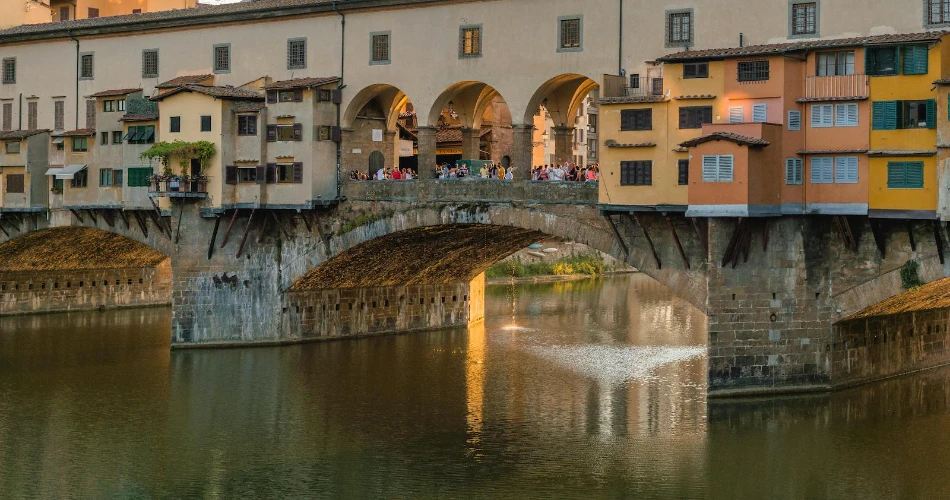
The recently reopened Vasari Corridor offers a rare experience. Built in the 16th century by the Medici, this elevated passageway connects Pitti Palace to Palazzo Vecchio and crosses the Arno River above the Ponte Vecchio. It provides a special look into Medici history and offers elevated views of the bridge, the river, and the city rooftops. Access is through a combined ticket with the Uffizi Gallery. Visitors may enter the Uffizi up to two hours before their corridor time. The guided walk through the passageway lasts around 30 minutes in groups of up to 25 people. Since the booking process can be confusing, many travelers prepare using a full planning guide before visiting.
Address: (Uffizi entrance): Piazzale degli Uffizi, 6, 50122 Firenze FI, Italy
Museo delle Cappelle Medicee
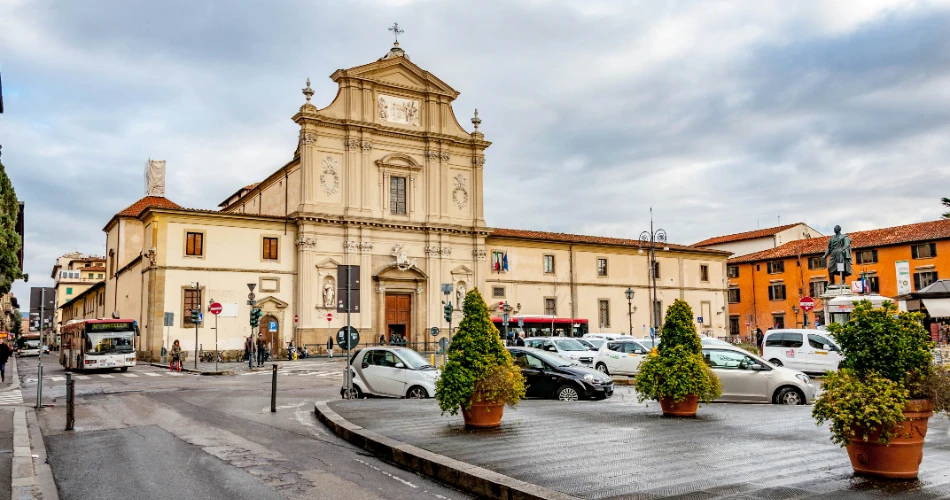
The Medici Chapels Museum showcases the extravagant final resting place of the Medici dynasty. The mausoleum features a dramatic display of multicolored marble, granite, and glittering semi-precious stones decorating the tombs of 49 family members. Some of the most striking pieces are Michelangelo’s sculptures representing Dawn and Dusk, Night and Day, and a Madonna and Child. The lavish design makes the space feel both overwhelming and fascinating.
Address: Piazza di Madonna degli Aldobrandini, 6, 50123 Firenze FI, Italy
Manifattura Tabacchi
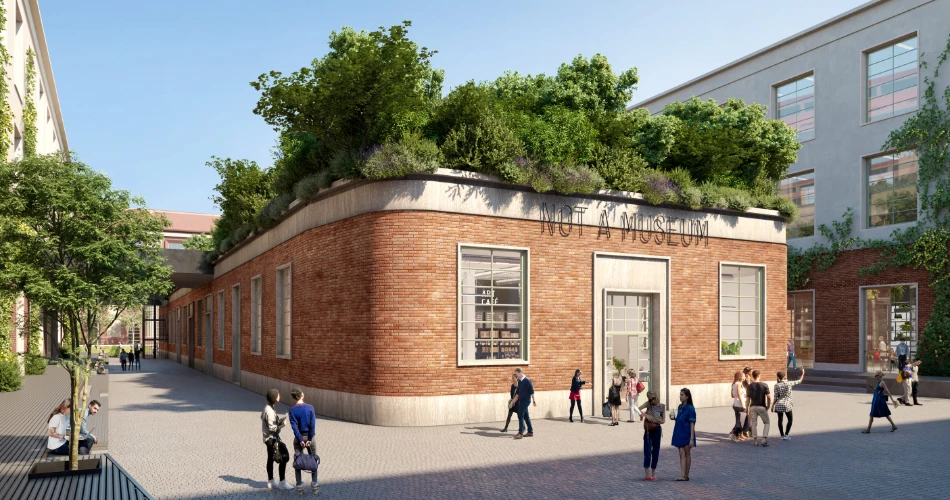
Manifattura Tabacchi is a contemporary arts center, located in a former 1930s tobacco factory near a central city park, and breaks away from Florence’s traditional style. The urban regeneration project features exhibitions in art, fashion, and design, offering a striking contrast to the historic center. Parts of the area feel like an outdoor street-art museum.
The Factory, the main hub, hosts modern art shows, creative workshops, yoga classes, vintage markets, pop-up cafés, and even a well-known tattoo studio. The Officina Botanica rooftop garden provides a peaceful escape from Florence’s crowds.
Address: Via delle Cascine, 35, 50144 Firenze FI, Italy
Boboli Gardens and Pitti Palace
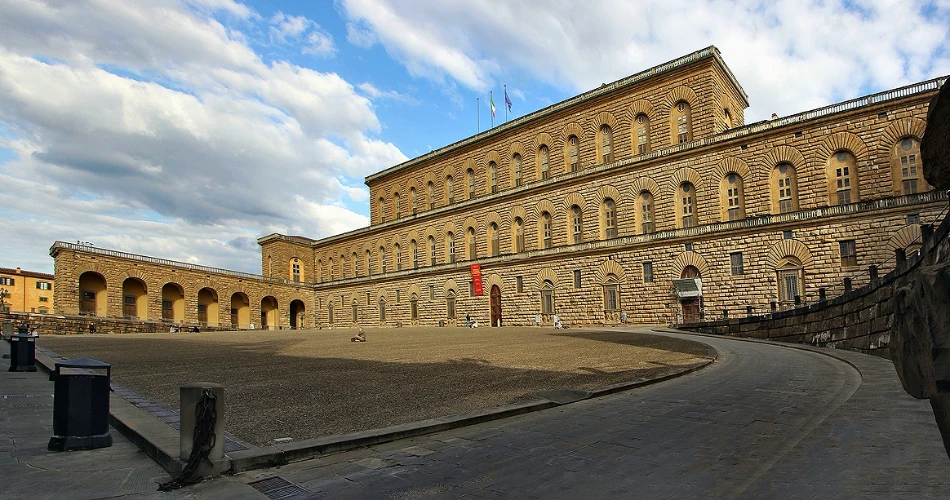
Pitti Palace, once the grand home of the Medici family, is now a large cultural complex that includes five museums: the Palatina Gallery, the Gallery of Modern Art, the Treasury of the Grand Dukes, the Gallery of Costume and Fashion, and the Imperial and Royal Apartments. Behind the palace lies the Boboli Gardens—one of Florence’s most iconic outdoor museums, combining nature, art, and architecture. Visiting all five museums in one day is almost impossible, so they are best explored only if you have a strong interest in specific themes or extra time.
Address: Piazza de' Pitti, 1, 50125 Firenze FI, Italy
Accademia Gallery
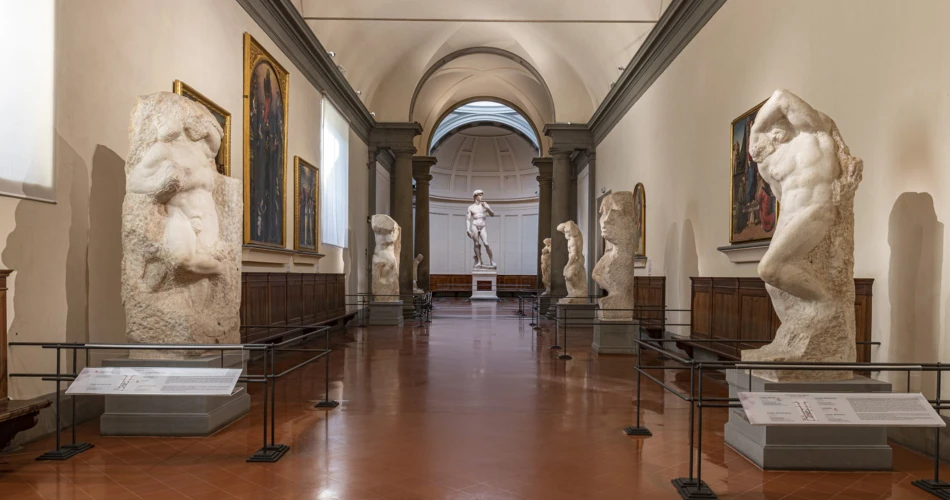
The Accademia Gallery has an excellent collection of medieval and Renaissance paintings, but most visitors come for one main reason—Michelangelo’s David, the world’s most famous sculpture. The museum also holds six additional Michelangelo works, including Pietà di Palestrina, Saint Matthew, and the four Slaves (Prigioni). Other highlights include the Museum of Musical Instruments and several 19th-century plaster models.
Address: Via Ricasoli, 58/60, 50122 Firenze FI, Italy
Palazzo Strozzi
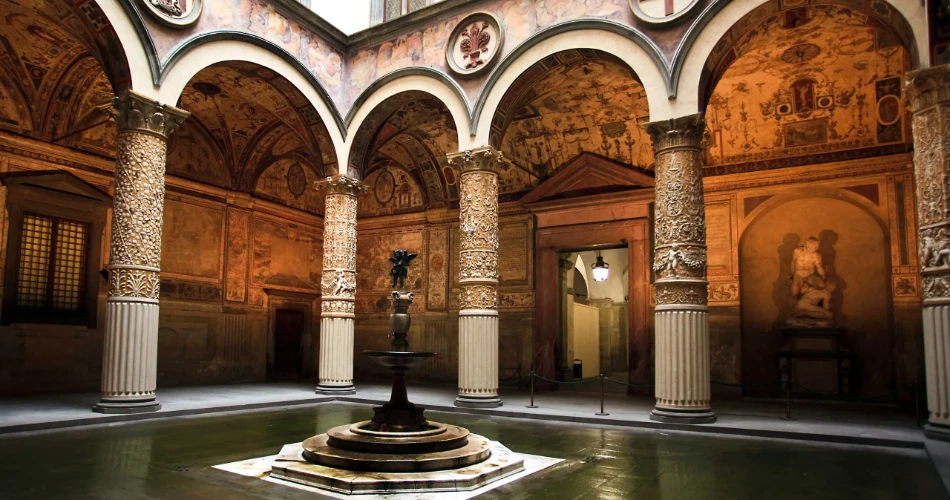
Palazzo Strozzi combines Renaissance architecture with contemporary art in a way that appeals to all ages. Each major exhibition includes hands-on workshops, themed tours, and creative activities designed especially for families. These have featured artists such as Jeff Koons, JR, and major American modern artists. Two or three exhibitions usually run at the same time.
The 15th-century courtyard is a lively meeting place, and the Strozzi Bistrò is a stylish spot to enjoy coffee, Tuscan wine, or an aperitivo under vaulted arches.
Address: Piazza degli Strozzi, 50123 Firenze FI, Italy
Florence city is a wonderful blend of culture, art, and history, which you can spot in every corner, and its interesting museums are the heart of that experience. No matter where you go, from Renaissance masterpieces to quirky scientific collections, these Florence museums offer a unique window into the city’s story. Whether you’re wandering through the Uffizi or admiring Michelangelo’s David, Florence invites you to slow down and take it all in.
After exploring Florence’s world-class museums and historic streets, unwind at Emerald Palace Florence, where central location meets comfortable stays. Book your room and experience the city at your own pace.
